All news
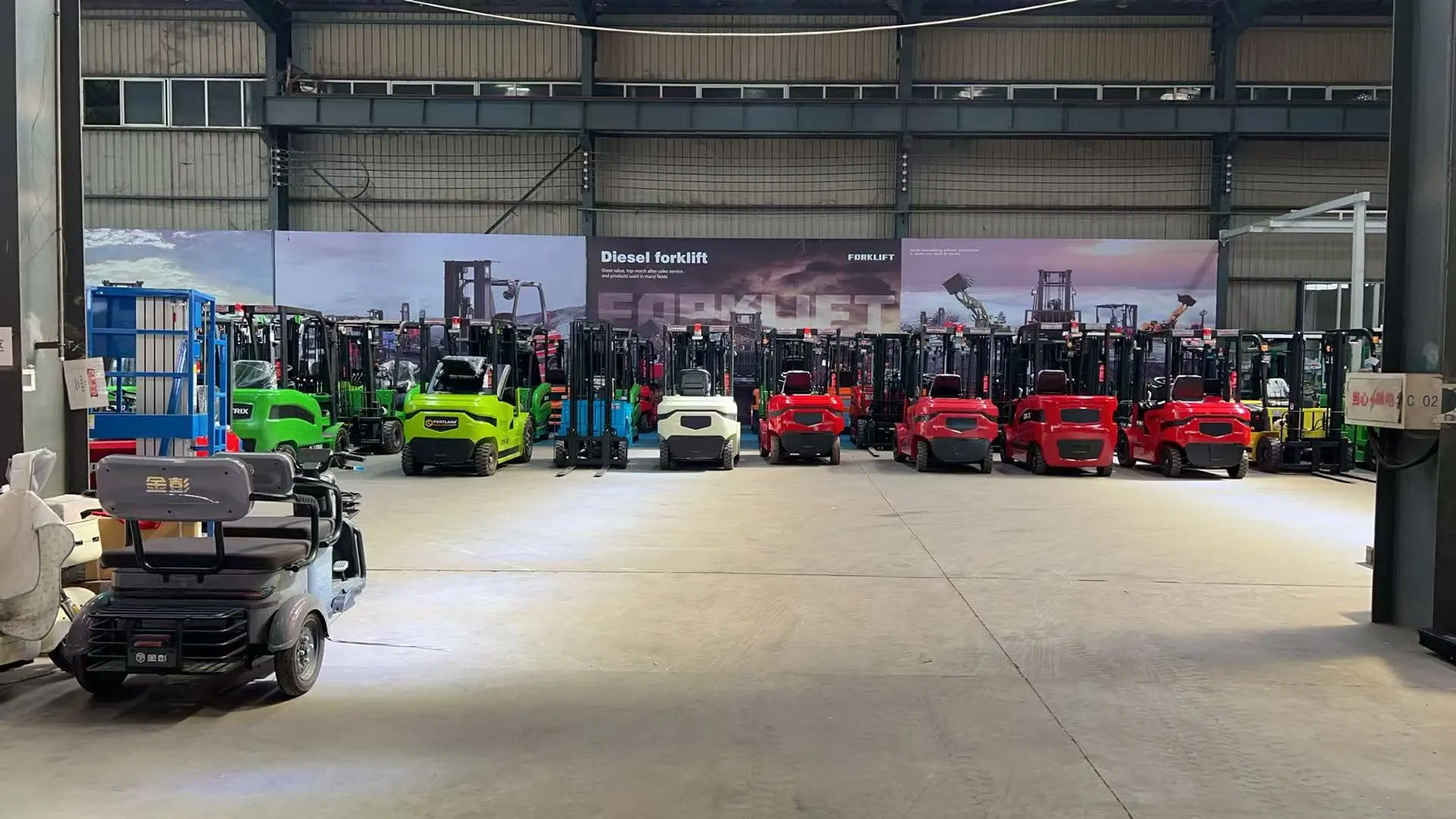
Forklift Residual Capacity: A Guide for Warehouse Buyers
2026/11/04
Review load center,lift height,attachment and capacity document for warehouse project with Mightlift before purchasing.

Custom Electric Forklifts for Specialized Industrial Applications
2026/10/30
Explore tailor-made electric forklift solutions for refrigerated warehouses, manufacturing facilities, and industrial uses. Mightlift provides OEM and ODM production, custom configurations, and factory-direct supply.
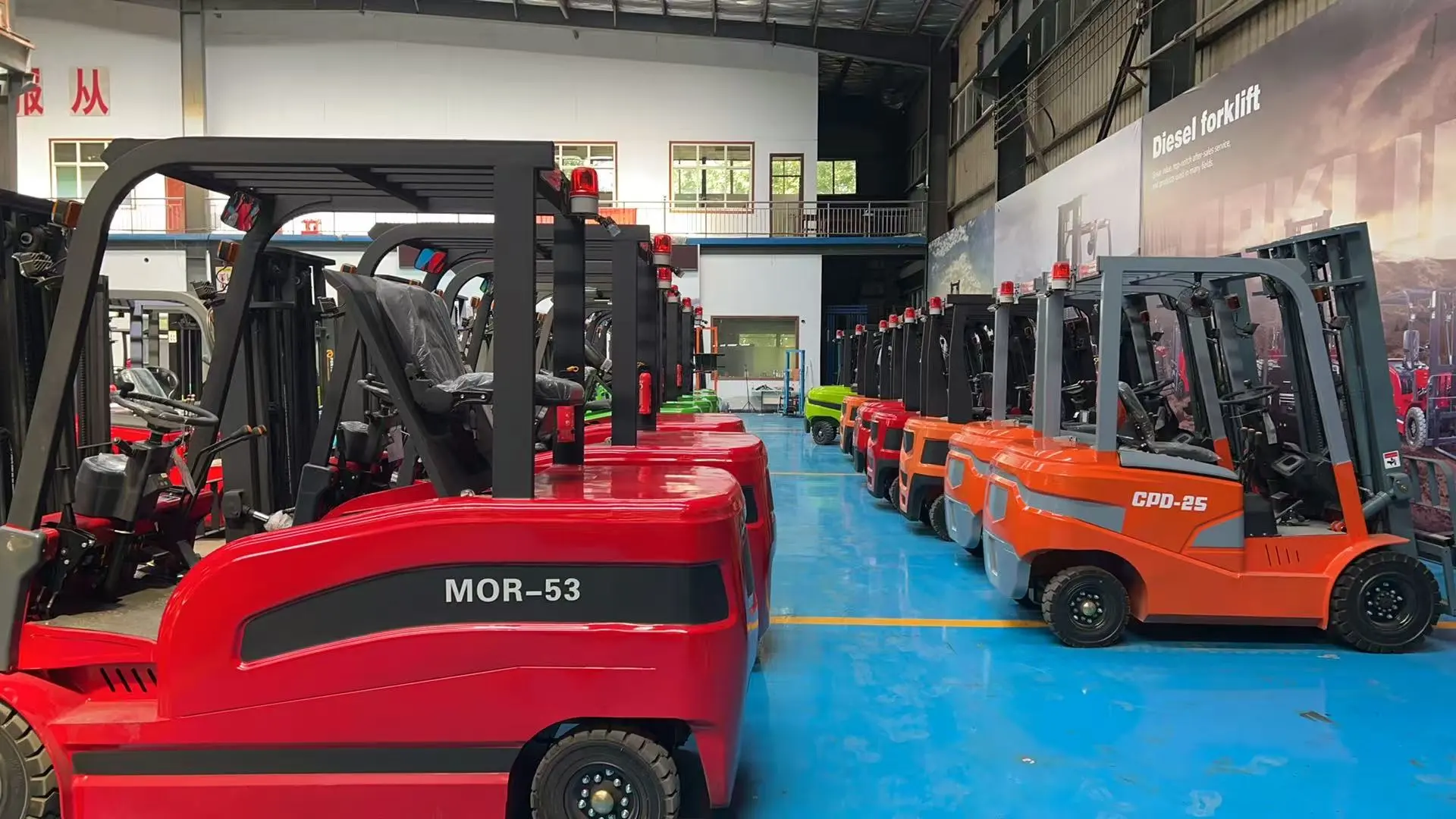
Electric Forklifts for Rental Fleets: A Buyer’s Guide
2026/10/27
Specify electric forklifts for rental fleets. Compare customer fit, charging needs, service access and fleet costs, plus OEM options from Mightlift.
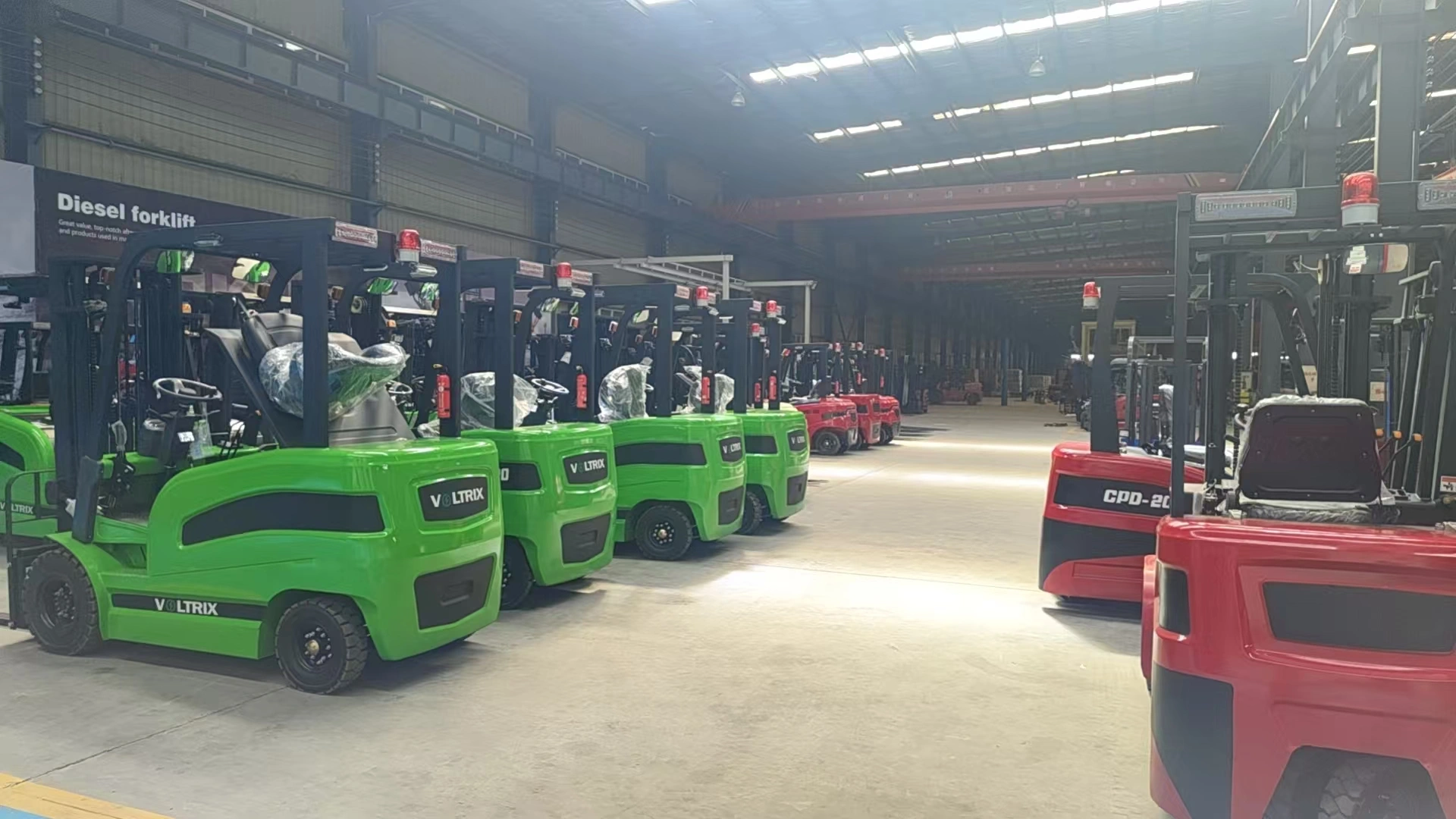
Electric forklift evaluation before fleet purchase
2026/10/21
Electric forklifts should be tested for real-world work before fleet purchase. Compare pallet handling, shift performance, operator feedback and supplier evidence with a practical trial plan.
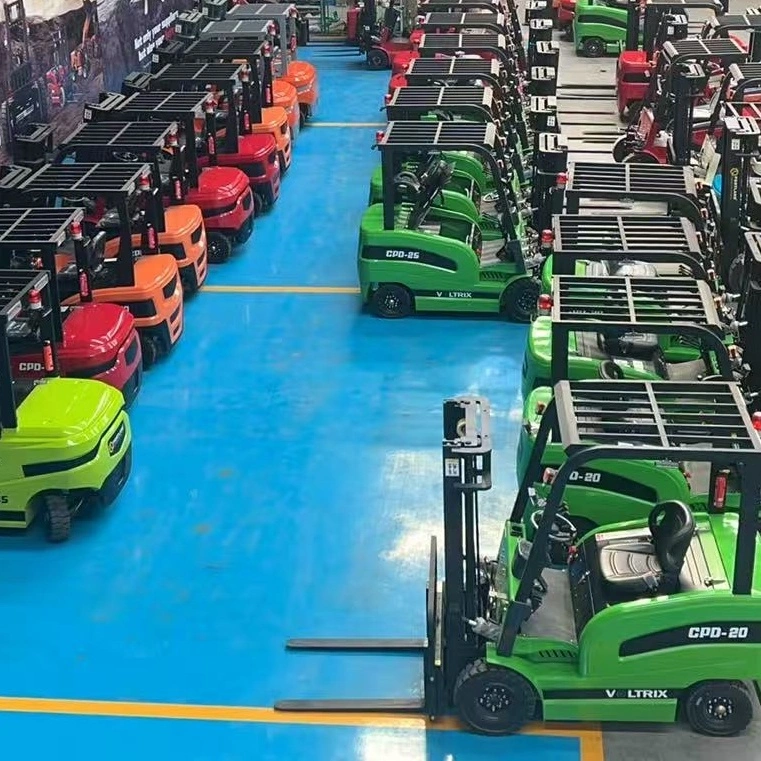
Electric Forklift Attachments for Mixed Pallet Loads
2026/10/19
Compare electric forklift attachments for mixed pallet sizes. Review sideshifters, fork positioners, hydraulic compatibility and OEM options from Mightlift.

Electric Forklift Attachments: Clamp, Positioner, or Rotator?
2026/10/19
Electric forklift attachments reduce residual capacity and change hydraulic requirements. How to select paper roll clamps, bale clamps, side shifters or rotators.
Electric Forklifts for Cold Storage: Choosing Equipment for Extreme Conditions
2026/10/19
Cold storage electric forklifts are specified by temperature zone, condensation prevention, and charging windows. Key checks for -18 °C to -30 °C models.
Container Handler
2026/10/14
specify electric forklifts for container loading with checks on free lift, door clearance, pallet access and dock conditions. Explore mightlift oem options.
Best-Selling Electric Forklifts for Bulk Purchasing
2026/10/09
Plan bulk electric forklift orders with clear specifications, inspection checks, spare parts requirements and delivery terms for distributors and fleet buyers.

Electric Counterbalance Truck OEM Sourcing from China: A Buyer's Guide
2026/09/29
Sourcing electric counterbalance forklifts from China? This guide is your one-stop resource to find factory-direct OEM suppliers, compare private-label forklift manufacturers by MOQ, compliance, capacity, lead times, and export support.

Counterbalance Forklifts: Design, Power and Running Costs
2026/09/29
Discover how counterbalance forklifts balance loads, compare the running costs of lead-acid, LPG, and lithium-powered models, and find out where opportunity charging delivers immediate cost savings.

2026 Electric Counterbalance Forklift Truck Buying Guide
2026/09/29
How to Choose the Right Electric Counterbalance Forklift Truck: Capacity, Battery, Mast, Aisle, and TCO Checks If you are buying an electric counterbalance forklift truck, do not start with the cheapest unit. Start with the load, the aisle, the shift pattern, and the maintenance reality. A forklift that saves money upfront can cost you more later if the battery is undersized, the mast is too high, or the turning circle does not fit the warehouse. This guide gives you a practical buyer checklist for selecting the right electric counterbalance forklift truck. It also includes sourcing tips for wholesalers, distributors, and procurement teams comparing factory prices. 1. Check rated load capacity, load center, and residual capacity The first specification is not always the headline capacity on the brochure. You need to check three numbers: - Rated capacity: the maximum load the truck is designed to lift under standard conditions. - Load center: the distance from the face of the forks to the center of the load. Common standard centers are 500 mm or 600 mm, depending on the truck and region. - Residual capacity: how much load can still be lifted at a specific mast height, usually with load backrest and attachments included. A truck with a 2.5 ton rating may lose capacity when lifting to a high mast position. If your loads are long, wide, irregular, or positioned off-center, the actual safe lifting capacity can be lower than the nameplate suggests. Practical rule: choose the next capacity class if your loads are close to the nominal limit, use side-shifters or fork positioners, or lift high stacks regularly. 2. Match the battery to the shift pattern Electric counterbalance forklift trucks are often sold with battery options, but the battery is where many buyers make a costly mistake. You should compare: - Lead-acid battery: lower initial cost, widely available, but needs charging room, watering, ventilation, and regular maintenance. - Lithium-ion battery: higher upfront cost, longer service life, faster charging, opportunity charging, low maintenance, and cleaner operation. - Battery capacity in kWh or Ah: must match daily workload, not just one hour of work. - Shift strategy: single shift, double shift, or opportunity charging. If the truck works two shifts per day, a smaller battery may create downtime. If you need fast turnover in a busy warehouse, lithium-ion may reduce operating cost over time. Ask the supplier for a duty-cycle estimate, not just the battery size. 3. Choose the mast by lifting height and visibility The mast affects safety, productivity, and residual capacity. Common mast types include: - Standard two-stage mast for basic height and low cost. - Triple-stage mast for higher lift with lower collapsed height. - Full free lift mast when the truck needs to enter containers or pass under low doorways. When comparing masts, check: - Maximum lift height required by racking. - Collapsed mast height for doorways, containers, or parking areas. - Free lift height before the inner mast channels extend. - Forward visibility through the mast. - Side tilt and fork leveling options. Poor visibility can slow operators and increase collision risk. High lift without enough residual capacity can make the truck unstable under load. 4. Measure aisle width and turning space Counterbalance forklifts need more working space than reach trucks or narrow-aisle trucks. Before selecting a model, measure: - Minimum operating aisle width. - Truck overall width. - Front overhang and fork length. - Rear end turning radius. - Load dimensions. - Ramp angles and floor surface. A narrow aisle may make a large 3.0 ton counterbalance forklift unsuitable even if the load capacity looks correct. If your warehouse is narrow, compare smaller electric counterbalance models, pedestrian or stacker alternatives, or reach truck options. 5. Compare total cost of ownership, not only unit price For wholesale or fleet buyers, the purchase price is only one part of the cost. Use a TCO checklist: - Battery replacement cost. - Charging system and installation cost. - Maintenance schedule and spare parts availability. - Tire wear on indoor or outdoor floors. - Energy consumption per shift. - Downtime risk from long lead-time parts. - Warranty coverage and response time. - Resale value after five to seven years. A lower-priced truck can become expensive if spare parts are hard to source or battery maintenance is complicated. Ask suppliers for a maintenance schedule and estimated service intervals. 6. Check tires, tyres, and floor conditions Indoor warehouses may prefer cushion or solid tires. Outdoor yards may need pneumatic or resilient tires. Tire choice affects traction, turning effort, floor marking, and ride comfort. Ask: - Will the truck operate mainly indoors, outdoors, or both? - Are floors smooth, cracked, wet, or uneven? - Does the warehouse require non-marking tires? - Are there ramps, docks, or gravel areas? For mixed operations, a slightly more robust tire and chassis setup may reduce service problems. 7. Compare controller, ergonomics, and operator comfort Productivity depends on the operator’s daily experience. Check: - Seat adjustment and suspension. - Steering comfort and effort. - Hysteresis: common controllers still use AC drive and lift systems. Hyster forklifts often use robust AC traction motors and programmable controllers. - Hysteresis control: smooth deceleration and regenerative braking can reduce wear. - Hydraulic controls: lever or joystick operation. - Horn, lights, reverse alarm, camera options, and blue spot warning light. - Display: battery indicator, fault codes, hour meter, and service alerts. Hyster-style trucks are often known for strong AC drive performance, comfortable operator compartments, and durable components. But do not compare brand names only; compare the actual controller, mast, and tire package. 8. Safety features should not be an afterthought For warehouses, factories, logistics centers, and food-grade environments, safety matters. Look for: - Seat switch and operator presence system. - Overspeed control. - Mast tilt lock or load handling controls. - Rear grip horn. - Blue safety light or red zone light. - Speed reduction in corners. - LED work lights. - Automatic parking brake. If the forklift works around pedestrians, speed limits, travel alarms, and visibility lights are especially important. 9. Factory sourcing tips for wholesale buyers If you are sourcing electric counterbalance forklift trucks from manufacturers or exporters, use this checklist: - Ask for rated capacity, load center, mast height, and residual capacity chart. - Confirm battery type, voltage, capacity, charger type, and warranty. - Request the exact model code, not only “2 ton electric forklift.” - Compare battery: lead-acid vs lithium-ion. - Check whether the price includes battery, charger, forks, side-shifter, backrest, and tires. - Ask about spare parts availability and lead time. - Request test reports, CE/ISO certification, or relevant market documents. - Confirm packaging, shipping dimensions, container loading, and delivery time. - Compare maintenance manuals, operator manual language, and after-sales support. A supplier with a low price but unclear specifications may create hidden costs later. The best sourcing decision is the one that matches the truck to real operating conditions. Final buying checklist Use this short list before ordering: 1. What load weight and load cen
Complete Guide for Global Buyers: Electric Counterbalanced Forklifts
2026/09/29
Electric Counterbalance Forklift CPD10 to 35: How It Works, Specs & OEM Guide Discover how an electric counterbalance forklift operates, compare capacities from 1.0 to 3.5 tons, and learn how to source OEM units factory-direct from Mightlift.
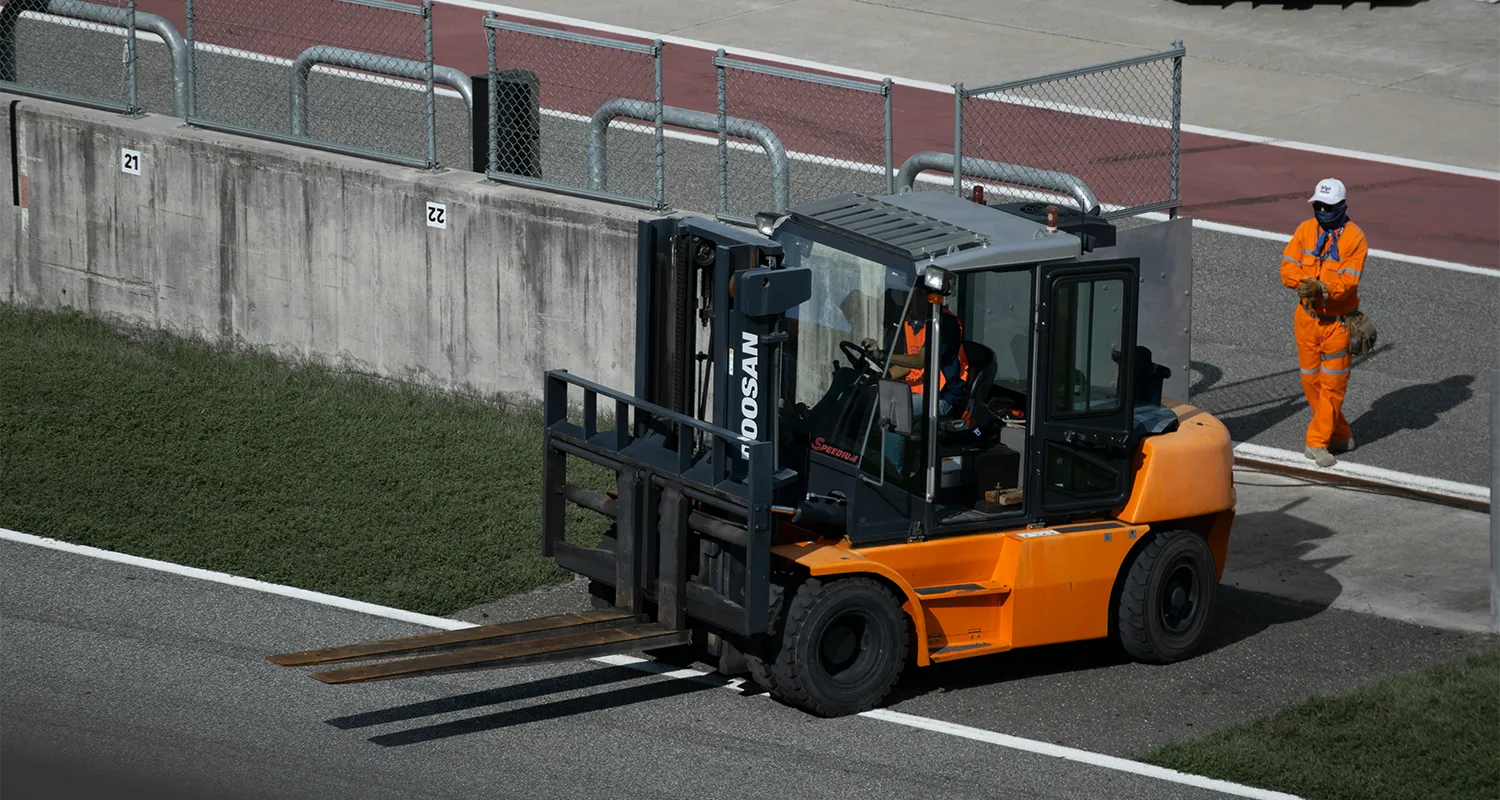
Custom Electric Forklift: How to Turn a Duty Cycle into a Factory-Built Machine
2026/09/23
How a custom electric forklift is specified: duty cycle, capacity, battery, certification and factory delivery, explained by China OEM plant Mightlift.
Premium Garment Customization: Group Uniforms and Small-Batch Programs
2026/09/23
Premium garment customization covers group uniforms and small-batch premium lines. See how fabric, fit and finishing specs protect a high-end custom order.
Electric Forklift OEM Supplier: How to Run a Distributor Program
2026/09/23
Choosing an electric forklift OEM supplier is a partnership decision. MOQ, private label, spare parts, documentation and lead time, explained for distributors.

Electric Forklift Specifications: Which Numbers Are Worth Changing
2026/09/23
Electric forklift specifications run to forty lines, but only a few are worth changing. How to read load capacity, lift height and mast stages before you order.
Lithium Electric Forklift: Sizing the Battery to the Shift, Not the Spec Sheet
2026/09/23
锂电叉车的规格以运行小时数而非班次时长来确定。机会充电与冷库作业如何改变电池规格


